
Payment systems for online income
Compare e-wallets and payment systems for funding brokers and exchanges, receiving payouts, and holding crypto and fiat balances in one place.
Here, "payment systems" means multi-currency e-wallets — sometimes called wallet aggregators — that hold fiat and crypto balances in one account and move money between banks, cards, crypto exchanges and forex brokers, without opening a separate account with each one. People use them to fund a broker or exchange, receive affiliate or exchange payouts, or hold several currencies and coins in one place.



Getting paid is easy. Getting the money out is the part that costs
Every payment system on this page will take money in. What separates them is the way back out: which rails they support in your country, what the currency conversion actually costs once it is buried in the rate rather than shown as a fee, and whether the account survives receiving money from a source their compliance team dislikes. Our payment system ranking weights getting money out and where the thing is genuinely accepted above everything else, because those are the two questions each of them can be asked fairly.
The conversion margin deserves particular attention. Most providers quote a headline percentage and then apply a rate that is not the mid-market one, so the real cost never appears as a line item at all. The only reliable check is to compare the amount that lands against the mid-market rate at the same minute — which is also how we check the exchanger rates on this site.
Account risk is the other half. A wallet that closes accounts for receiving crypto payouts is a poor choice for someone paid in crypto, however good its fees look, and that is scored here rather than left as a footnote.
Latest payments guides
View all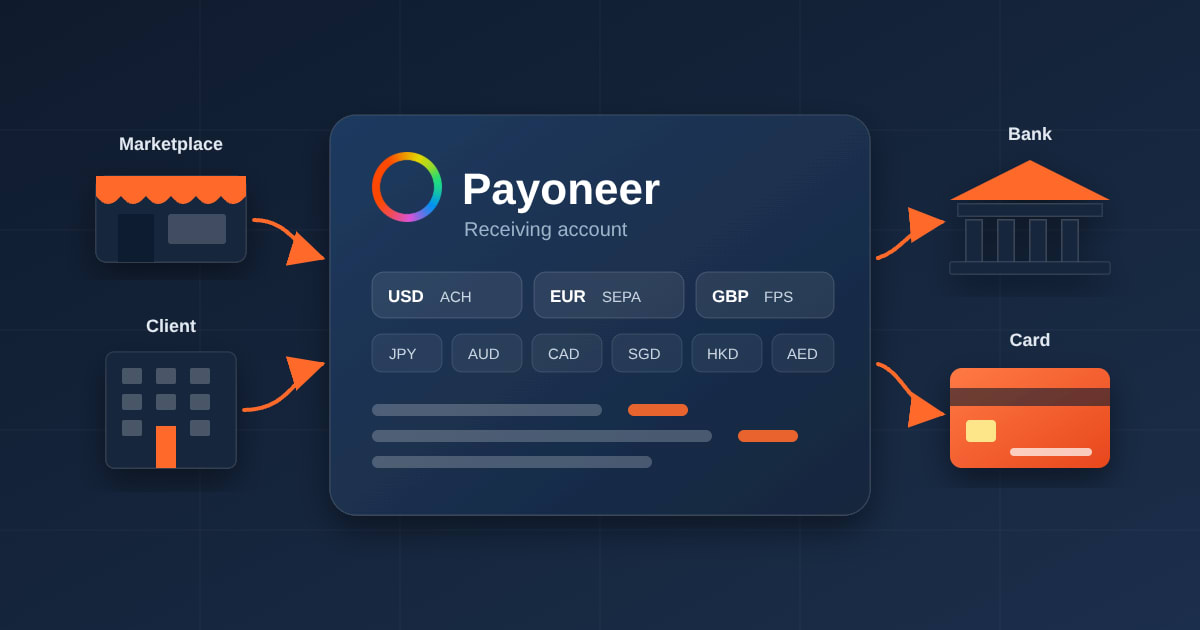
Payoneer Review: The Receiving Account, What It Costs, and Where Revolut Isn't Available
Payoneer is a receiving account before it is a wallet: bank details in your own name, in thirteen currencies, that companies and marketplaces pay into as if you banked in their country. What it costs on the way in and out, what the card does, why payments sit under review, and why the Payoneer-or-Revolut question is settled by geography.
Read article →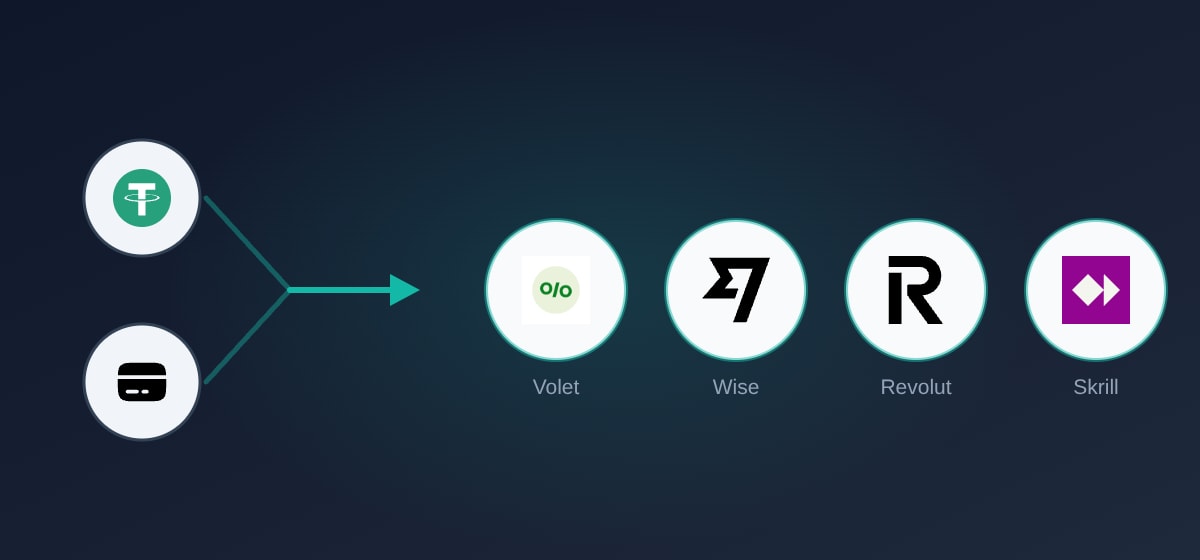
Volet vs Wise, Revolut and Skrill: Which Account Fits Money You Earn Online
Wise can close an account for receiving money from an unlicensed crypto platform. Revolut takes USDT on Tron but charges to convert it. Where your income arrives from decides the account long before the fee table does.
Read article →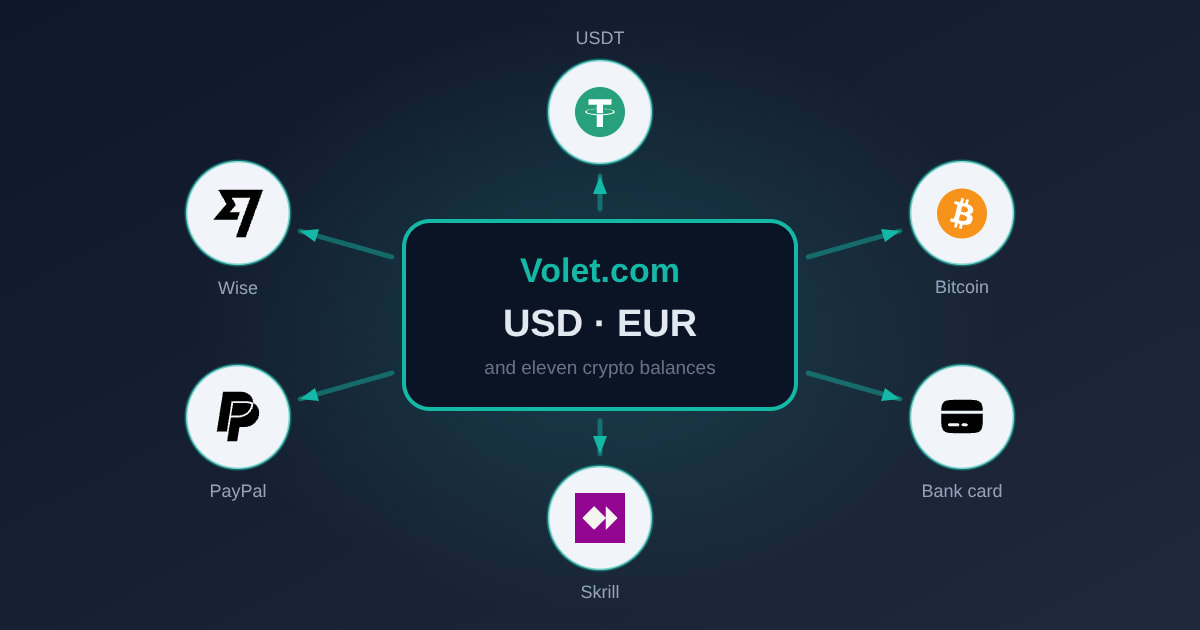
Getting Money Out of Volet: Every Route and What It Really Costs
All six withdrawal routes from a Volet account priced side by side, the amount where a SWIFT wire stops being the expensive option, and why the same USDT withdrawal has two different prices.
Read article →